Watch movies completely free on your mobile phone with Tubi! Download the app and enjoy thousands of online movies without paying.
tubi
Tubi: Free Movies & Live TV
You will remain on the same website.
AI in Healthcare Diagnostics: Transforming Patient Care in 2026
AI
Published on September 08, 2026
Fact Checked
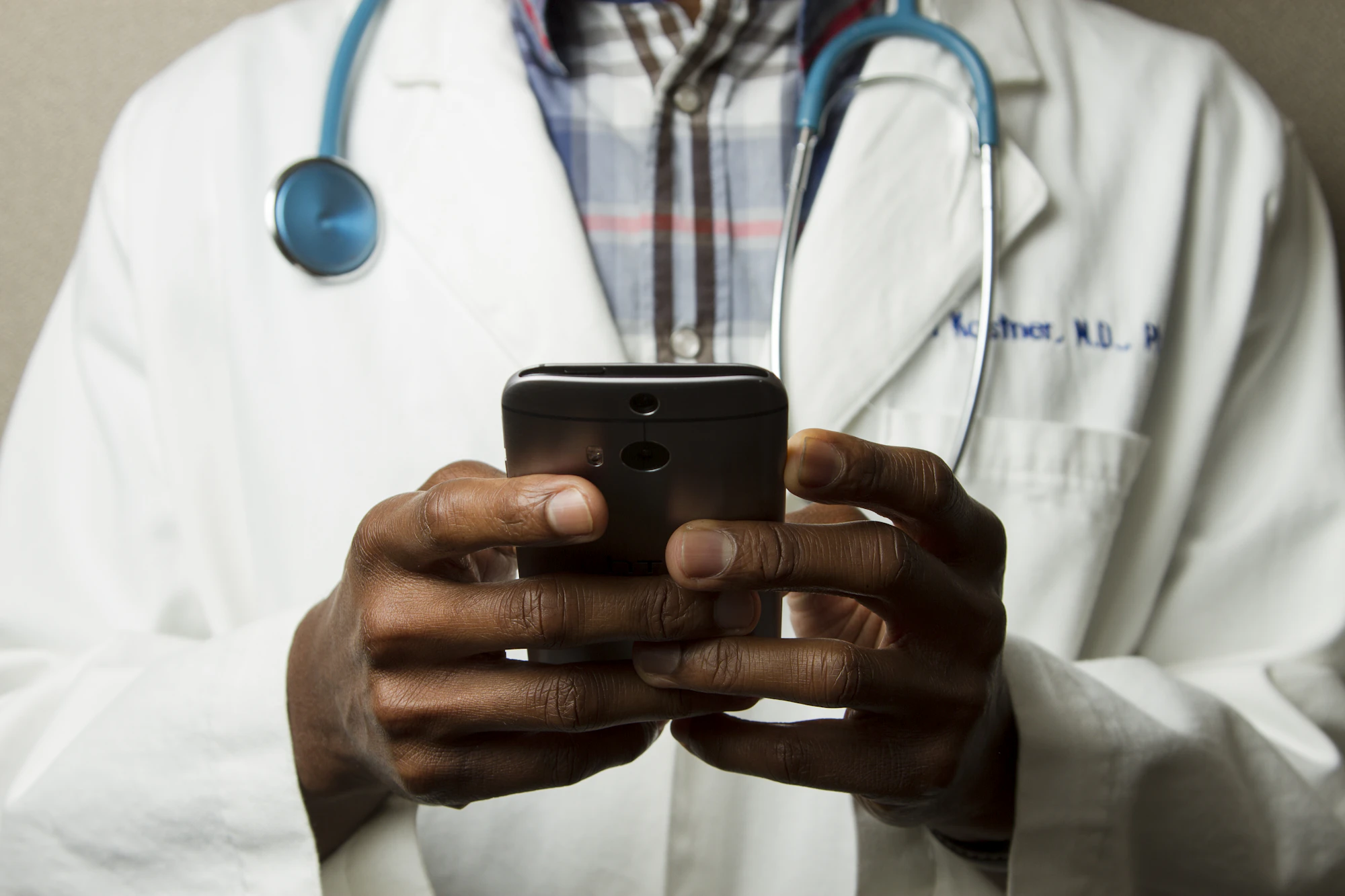
AI-powered healthcare diagnostics have moved from experimental to essential. In 2026, FDA-cleared AI diagnostic tools are assisting physicians across radiology, pathology, dermatology, ophthalmology, and cardiology, often achieving accuracy that matches or exceeds specialist-level performance. These tools are not replacing physicians but augmenting their capabilities, reducing diagnostic delays, and improving patient outcomes in measurable ways.

Related Stories
AI

Computer Vision in Business: Practical Applications for 2026
From quality control to customer analytics, computer vision is transforming industries. Learn the practical applications delivering real ROI.
AI

AI in Agriculture: Precision Farming for a Sustainable Future
AI is helping farmers produce more food with fewer resources. Explore the drones, sensors, and models transforming agriculture.
AI

Transformer Architecture Deep Dive: Understanding the Engine of Modern AI
The transformer is the most important neural network architecture of the decade. Understand how it works and why it dominates.