Watch movies completely free on your mobile phone with Tubi! Download the app and enjoy thousands of online movies without paying.
tubi
Tubi: Free Movies & Live TV
You will remain on the same website.
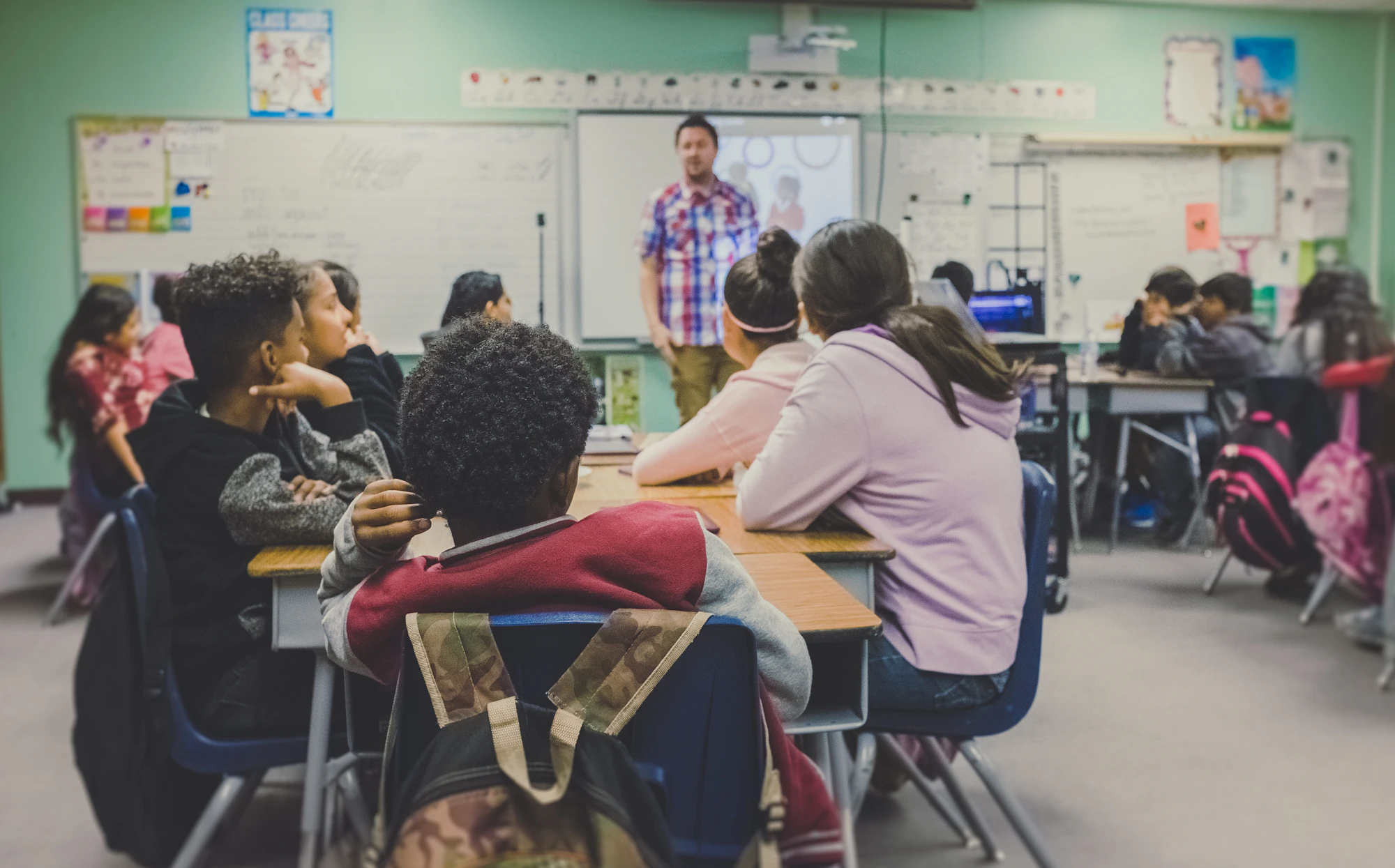
Education has remained largely unchanged for centuries: one teacher, one curriculum, one pace for all students. AI is finally making truly personalized learning a reality at scale. In 2026, AI-powered educational platforms adapt content difficulty, presentation style, and assessment methods to each individual learner, improving outcomes while reducing the burden on educators.
Adaptive Learning Pathways
Adaptive learning systems use knowledge tracing algorithms to model each student's understanding in real-time. When a student masters a concept, the system advances them to more challenging material. When they struggle, it provides additional explanations, alternative perspectives, and targeted practice. This continuous assessment replaces the traditional model of periodic exams with a dynamic understanding of each student's current state. Research consistently shows that adaptive learning improves retention rates by 20 to 30 percent compared to one-size-fits-all approaches.
Intelligent Tutoring Systems
Modern AI tutors go beyond simple quiz-and-feedback loops. They engage students in Socratic dialogue, ask probing questions to identify misconceptions, and provide explanations tailored to the student's prior knowledge and learning preferences. A student who learns best through visual examples receives diagrams and charts; one who learns through narrative receives stories and analogies. These systems can handle thousands of simultaneous conversations, providing the kind of individual attention that was previously only possible with private tutors.
Automated Assessment and Feedback
AI transforms assessment from a stressful event into a continuous learning opportunity. Automated grading systems evaluate not just correct answers but the reasoning process, providing feedback on problem-solving approaches, identifying conceptual errors, and suggesting specific areas for improvement. For open-ended tasks like essays, AI provides detailed feedback on argument structure, evidence quality, and writing style while maintaining consistency and fairness that human grading cannot always guarantee.
Accessibility and Inclusion
AI-powered tools make education more accessible to students with disabilities. Real-time captioning and sign language interpretation support deaf and hard-of-hearing students. Text-to-speech and speech-to-text enable participation for students with reading or writing difficulties. Multilingual support removes language barriers for immigrant students. These capabilities ensure that personalized learning is available to all students regardless of their physical abilities or language background.
The Teacher's Evolving Role
AI does not replace teachers; it frees them from routine tasks to focus on what humans do best: mentoring, inspiring, and providing emotional support. With AI handling content delivery, assessment, and progress tracking, teachers can dedicate their time to fostering curiosity, developing critical thinking skills, and supporting students' social-emotional development. The most effective educational environments in 2026 combine AI-powered personalization with human connection and guidance.

Written by Aarav Mehta
Senior AI Research Analyst at RashiBhavishya with over a decade of experience in machine learning, large language models, and applied AI. Aarav translates complex research into practical guides for builders and everyday users.
Join the Inner Circle
Get exclusive AI and technology intelligence delivered to your inbox every Sunday morning. No spam, just value.


