Watch movies completely free on your mobile phone with Tubi! Download the app and enjoy thousands of online movies without paying.
tubi
Tubi: Free Movies & Live TV
You will remain on the same website.
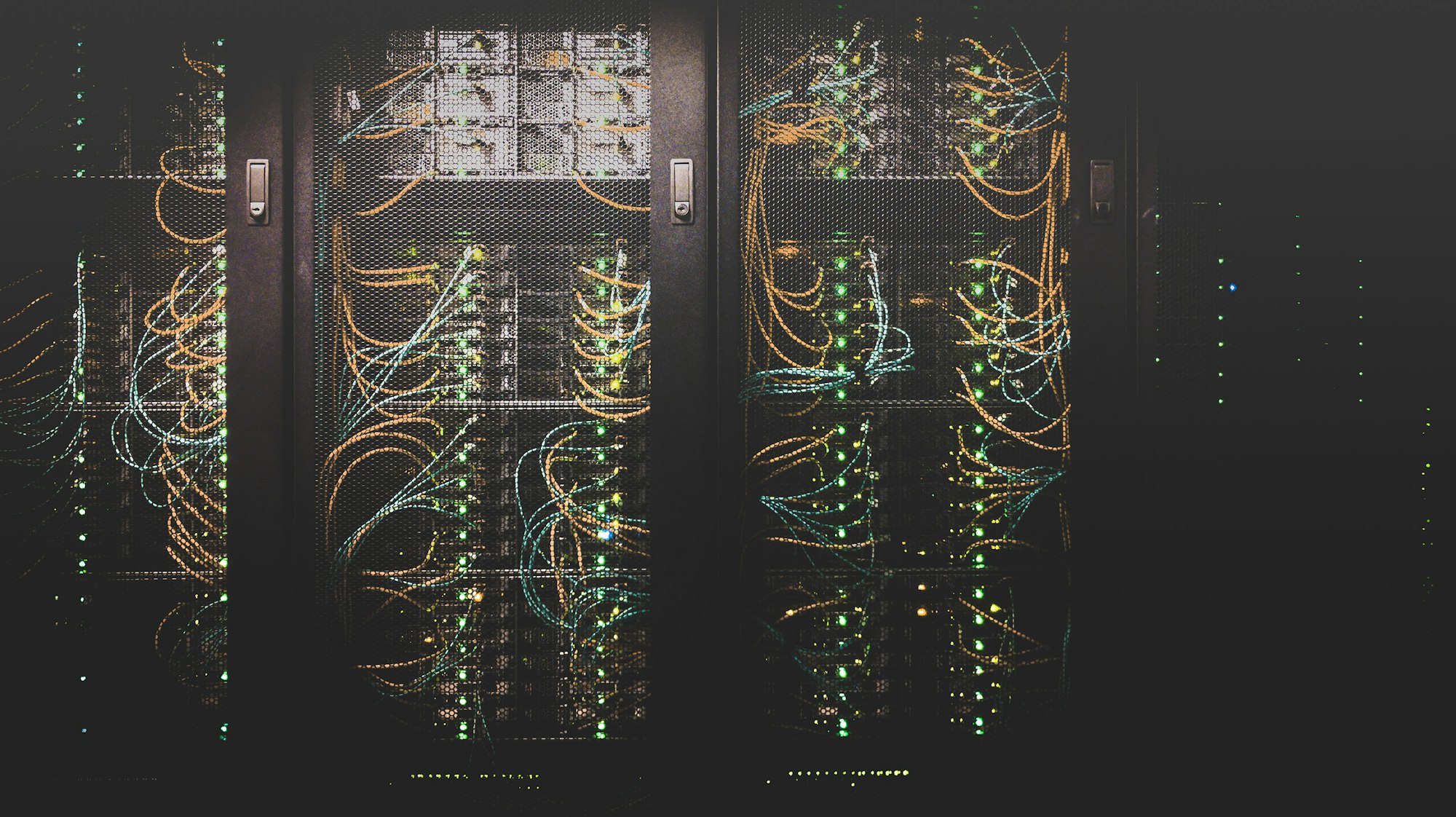
The gap between a trained model and a production ML system is enormous. In 2026, successful ML deployment requires expertise in MLOps, infrastructure engineering, monitoring, and operational practices that go far beyond model training. Organizations that master deployment can iterate faster, deliver more value, and maintain reliable systems that users and customers depend on.
Containerization and Serving Infrastructure
ML models need consistent, scalable serving infrastructure. Docker containers package model code, dependencies, and runtime into portable units that run identically across environments. Kubernetes orchestrates these containers across clusters, providing auto-scaling, load balancing, and self-healing capabilities. Dedicated ML serving frameworks like TensorFlow Serving, TorchServe, and Triton optimize inference performance with features like batching, model versioning, and GPU memory management. The choice of serving infrastructure depends on your latency requirements, throughput needs, and operational maturity.
Model Optimization for Inference
Training-optimized models are often inefficient for inference. Optimization techniques include quantization, which reduces numerical precision from 32-bit to 8-bit or lower with minimal accuracy loss, pruning, which removes redundant weights, and distillation, which trains a smaller model to mimic a larger one. TensorRT, ONNX Runtime, and OpenVINO provide inference engines that automatically apply these optimizations for specific hardware targets. These optimizations can reduce inference latency by 10x or more and dramatically reduce memory and compute costs.
Monitoring and Observability
Production ML systems require comprehensive monitoring beyond traditional application metrics. Track input data distributions to detect data drift that could degrade model performance. Monitor prediction distributions to catch anomalies that indicate model failure. Log individual predictions with enough context to debug issues and enable model improvement. Set up alerts for performance degradation, latency increases, and error rate spikes. The most sophisticated teams implement shadow deployments that run new models alongside production models, comparing performance before promotion.
A/B Testing and Gradual Rollout
ML model updates should never be deployed as sudden replacements. Implement gradual rollout strategies that start with a small percentage of traffic, monitor key metrics, and expand only when performance is validated. A/B testing frameworks that compare model versions against business metrics, not just technical metrics, provide the strongest evidence for deployment decisions. Canary deployments that route a small fraction of real traffic to new models catch issues that offline evaluation misses.
CI/CD for Machine Learning
ML-specific CI/CD pipelines extend traditional software practices with model-specific checks. Automated testing includes not just code tests but also model quality tests, fairness evaluations, and performance regression checks. Model versioning tracks the relationship between code, data, and model artifacts for reproducibility. Feature stores ensure consistent feature computation between training and serving. These practices enable rapid, reliable iteration on ML systems at scale.

Written by Aarav Mehta
Senior AI Research Analyst at RashiBhavishya with over a decade of experience in machine learning, large language models, and applied AI. Aarav translates complex research into practical guides for builders and everyday users.
Join the Inner Circle
Get exclusive AI and technology intelligence delivered to your inbox every Sunday morning. No spam, just value.


